


The Bank of Ghana (BoG) has launched an innovative educational programme aimed at demystifying the country’s monetary policy process and strengthening public confidence in the work of the central bank.
The initiative, known as the Monetary Policy Committee Educational Observership Programme (MPC-EOP), was introduced during the 131st Monetary Policy Committee (MPC) meetings, giving selected students from the University of Ghana a rare opportunity to witness at first-hand how the Bank arrives at decisions on the Monetary Policy Rate.
The programme forms part of the Central Bank’s broader commitment to transparency, public engagement and promoting a deeper understanding of monetary policy among future economists, researchers and policymakers.
For many students of economics and finance, monetary policy is largely studied through textbooks and lectures.
While they regularly follow announcements of the Monetary Policy Rate, few appreciate the extensive analytical work and rigorous deliberations that precede those decisions.
Through the observership, students were taken beyond the classroom to experience the policy formulation process in real time.
The programme began with an orientation on the Bank’s mandate, Ghana’s monetary policy framework and the role of the Monetary Policy Committee.
Participants then observed technical presentations by Bank officials and invited experts on inflation trends, macroeconomic developments, global economic conditions, agriculture, financial markets, the external sector and overall real sector performance.
The presentations illustrated the depth of economic analysis that underpins every monetary policy decision and highlighted the wide range of indicators considered before the Committee reaches a consensus.
For many participants, the experience corrected long-held misconceptions about how policy decisions are made.
One student admitted that many people wrongly believed the Governor single-handedly determined the policy rate.
“One misconception that was completely dismantled was the fact that every time we see the Governor on the news announcing the policy rate, we assumed he had made that decision on his own,” the student told the Governor and members of the Committee.
“What we have observed shows that the decision is the result of thorough analysis, careful discussion and contributions from many experts,” the student added, describing the programme as an opportunity to “practicalise” classroom learning by witnessing policymaking in action.
Beyond monetary policy, participants said the discussions broadened their understanding of how developments in agriculture, inflation, external shocks and financial markets collectively influence economic policy decisions, while also inspiring new research ideas.
Opening the 131st MPC meetings, Governor Dr. Johnson Pandit Asiama described the observership as an important milestone in the Bank’s efforts to strengthen transparency and public engagement.
According to him, monetary policy is most effective when the public understands and trusts and supports the process behind it.
He explained that the initiative seeks to bridge the gap between academic theory and practical policymaking by exposing students to the analytical work, technical discussions and communication processes that inform the Committee’s decisions.
Dr. Asiama said the programme also reinforces the Bank’s broader objective of enhancing policy credibility while building stronger collaboration between academia and public policy institutions.
As part of the observership, the students will also attend the Monetary Policy Committee press briefing where the Committee’s policy decision is officially announced to the public and the media.
They will further engage the Governor in a post-MPC dialogue designed to explain the Committee’s decision in practical and accessible terms, providing participants with a deeper appreciation of how complex economic policies are communicated to the public.
Faculty members accompanying the students welcomed the initiative, describing it as an important bridge between academic instruction and real-world policymaking.
They said the exposure would equip students with practical insights that complement classroom learning while introducing them to the analytical discipline required in central banking.
The positive reception to the inaugural programme has already generated discussions about extending the observership to students from other tertiary institutions across the country.
The Bank believes broadening participation will promote economic literacy, deepen public understanding of monetary policy and inspire the next generation of economists and public policy professionals.
By opening its decision-making process to students, the Bank of Ghana hopes to reinforce transparency while demonstrating that the determination of the Monetary Policy Rate is a rigorous, evidence-based process driven by research, debate and collective decision-making rather than the action of a single individual.
For more news, join The Chronicle Newspaper channel on WhatsApp: https://whatsapp.com/channel/0029VbBSs55E50UqNPvSOm2z
The post BoG Opens Monetary Policy Process to Students in Transparency Drive appeared first on The Ghanaian Chronicle.
Read Full Story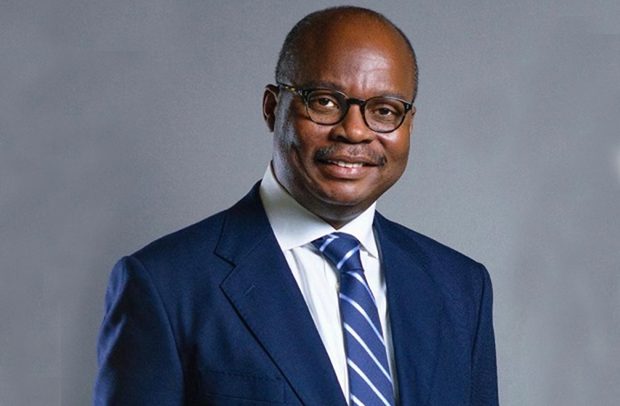




Facebook
Twitter
Pinterest
Instagram
Google+
YouTube
LinkedIn
RSS